Dubai trips go sideways in predictable ways. People show up in August and spend the entire week inside air-conditioned malls. They skip Bur Dubai entirely for the Marina, eat at hotel restaurants every night, and fly home having spent three times what they needed to.
None of that has to happen – and it usually comes down to a handful of decisions made before you even land.
This guide covers what actually matters: timing, money, where to spend your time, and the cultural layer that genuinely trips people up (not the obvious stuff everyone already knows).
When to Go (and When to Avoid)
October through April. That’s the window. Full stop; ensure you have the necessary travel insurance before your trip.
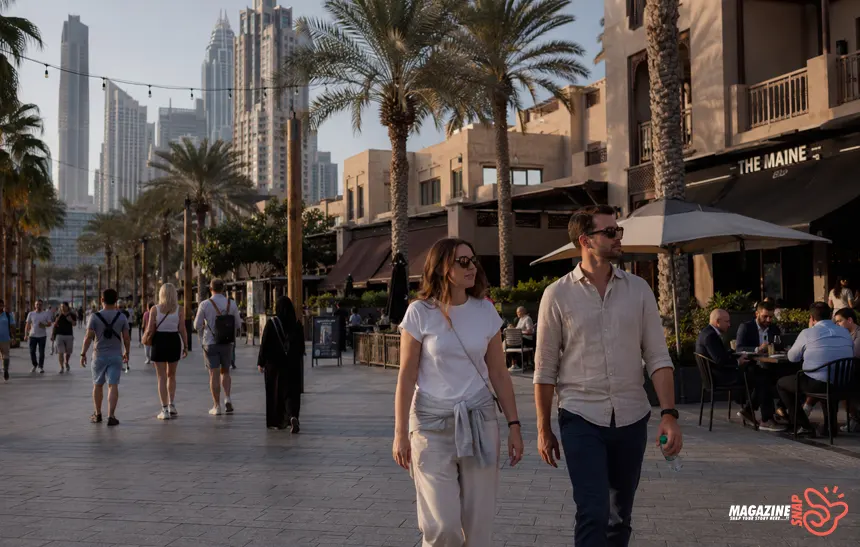
Dubai in July or August regularly hits 42-45°C, and the humidity makes it feel considerably worse than the thermometer suggests. I’ve read accounts from travelers who booked summer trips thinking “it’s a desert, how bad can it be?” – they ended up spending 80% of their time inside the Dubai Mall. Outdoor time becomes genuinely risky, and excursions get cancelled more often than operators admit upfront.
November through February is the sweet spot. Temperatures hover around 20-25°C, which means you can actually walk around, do a desert overnight, eat outside at 9pm without suffering. December and late March bring crowds and price hikes. If you’re watching costs, aim for October or early November instead; the weather is nearly identical and hotels drop noticeably.
One thing worth flagging: the UAE follows the Islamic calendar, so Ramadan shifts by about 11 days each year. Check whether your travel dates overlap before booking – it changes the city considerably (more on that below).
What Dubai Actually Costs
The expensive reputation of the United Arab Emirates is partly earned, partly myth. You have more control over the bill than most guides suggest.
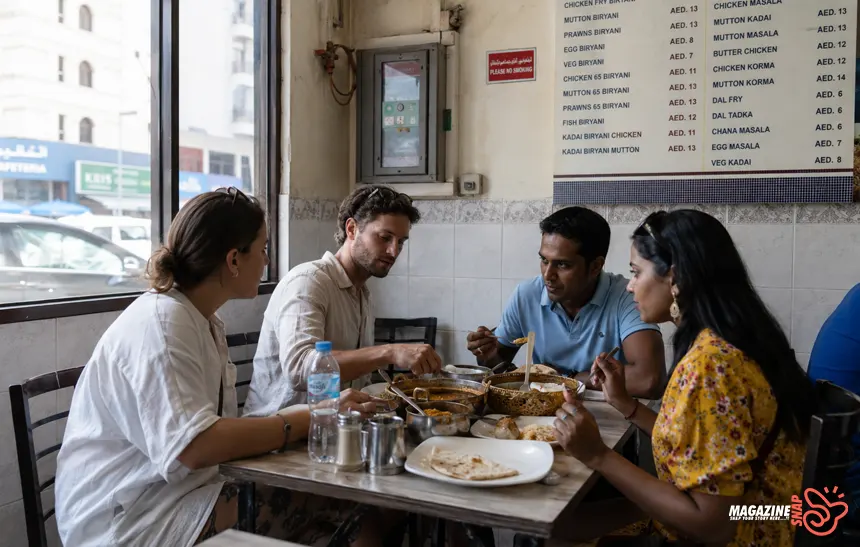
Budget (under $100/day): Hostels and no-frills hotels in Deira or Bur Dubai run $30-50/night, making them a budget-friendly choice for those traveling to the UAE. Eating at local spots – shawarma counters, South Asian canteens, Lebanese grills – costs 15-40 AED per meal. The Metro moves you across the city for 3-8 AED a trip, making it an affordable option for travel to Dubai. It’s genuinely doable.
Mid-range ($150-250/day): A decent 4-star hotel, a proper mix of sit-down restaurants, one or two paid activities. This is where most independent travelers settle.
Splurge ($400+/day): Burj Al Arab, rooftop tasting menus, private yacht charters. The ceiling is as high as your credit limit.
A few specific numbers people don’t always account for: a metered taxi from the airport to Downtown runs 80-100 AED, no negotiation required. A beer at a hotel bar costs 45-70 AED. If you’re a regular drinker, that adds up to a meaningful chunk of your daily budget by the end of the week.
The Best Things to Do in Dubai
Views, Architecture, and the Skyline
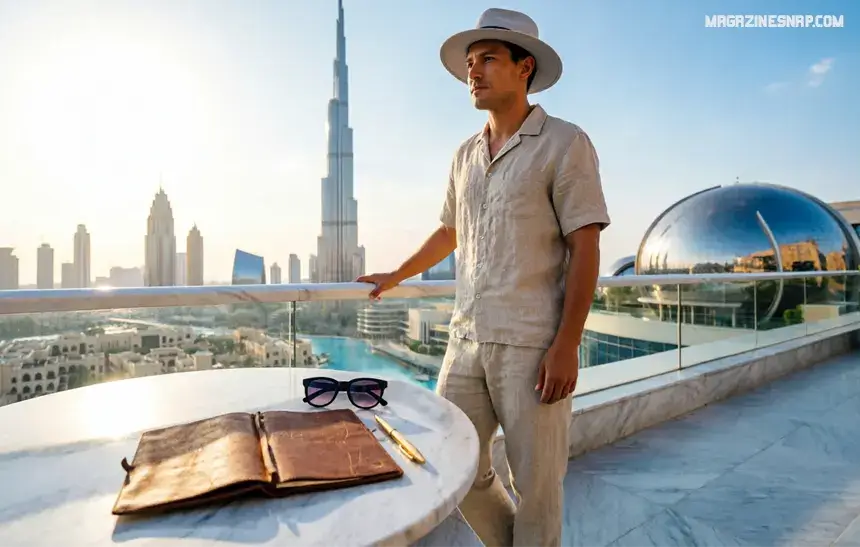
The Burj Khalifa is worth doing once when you travel to the UAE. Buy “At The Top” tickets online before you arrive; same-day tickets cost more, and the sunset time slots sell out 2-3 days ahead of time. The 124th floor view is genuinely impressive, though I’d argue the experience is more about bragging rights than revelation.
The Dubai Frame tends to get overlooked, which is a mistake. It’s a 150-metre picture-frame structure – one tower on each side, connected by a glass-floored sky bridge at the top – showing old Dubai on one side and the modern skyline on the other. Cheaper than the Burj, faster queue, and the concept is more interesting than a standard observation deck.
Desert Experiences
Desert safaris are touristy. They’re also worth doing, and the quality gap between operators is substantial. Standard group trips (250-350 AED) include dune bashing in 4x4s, a camp dinner with the standard dance performance, camel rides. They’re fun in a holiday-brochure kind of way.
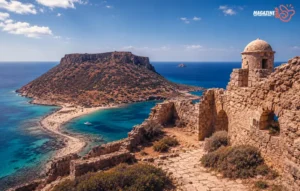
If you want something that actually feels like the desert rather than a theme park version of it, Platinum Heritage runs small-group overnight experiences using vintage Land Rovers – the kind where you wake up in silence with nothing but dunes around you. The price is higher, but so is the memory.
Old Dubai, Which Most Tourists Miss
Here’s what I find striking about visitor patterns in Dubai: the vast majority never leave the Downtown-to-Marina corridor, which means they miss the most interesting part of the city.
Al Fahidi Historical Neighbourhood in Bur Dubai has narrow shaded lanes, original wind towers built before air conditioning existed, and a texture that feels genuinely old rather than manufactured. The Dubai Museum inside Al Fahidi Fort costs 3 AED to enter. Spend 45 minutes there and you’ll understand the city’s arc from fishing village to whatever this is now.
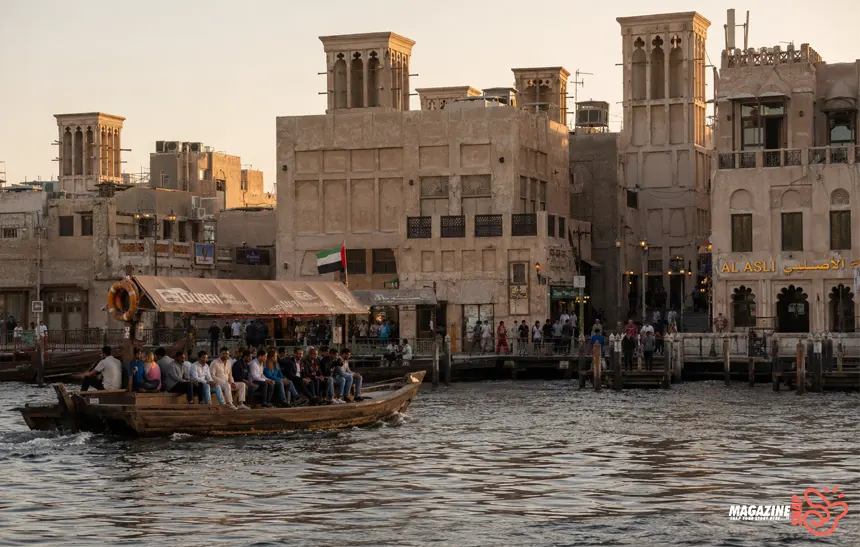
Cross Dubai Creek by wooden abra (water taxi) for 1 AED. The ride takes about 10 minutes and lands you near the Gold Souk and Spice Souk. A short walk from the Creek puts you on Al Seef, a renovated waterfront district with good restaurants and a pleasant evening atmosphere – far less crowded than the Marina and considerably cheaper.
Where to Actually Eat
Skip hotel breakfasts entirely. Meena Bazaar and the surrounding streets in Bur Dubai are where the South Asian and Levantine communities eat: biryani, slow-cooked mandi (lamb and rice), fresh-baked bread for 20-35 AED a meal. You’ll eat better than most tourist restaurants will feed you for 200 AED.
For a special dinner, Trèsind Dubai has held a spot on the World’s 50 Best list and does modern Indian food through a creative, technically precise lens. Book a week in advance, minimum, on weekends.
Things That Catch Visitors Off Guard
Friday brunches. This is a Dubai institution that doesn’t translate well on paper. Upscale hotels run 3-4 hour all-inclusive food and drink sessions on Fridays, roughly 12:30-4pm, for 250-600 AED per person. The expat community treats it like a weekly event. Some are genuinely excellent; others are just expensive buffets. Worth trying once to understand what the city’s social fabric actually looks like.
Traffic during rush hour is not a metaphor; it’s a serious alert for travelers. The 7:30-9:30am and 5-8pm windows turn routine 20-minute drives into 60-90 minutes of gridlock. Build this into any morning plans or airport runs.
The tap water situation. Technically safe, but it runs through pipes and storage tanks that give it a chemical aftertaste most residents find unpleasant. Everyone drinks bottled water. Buy a large bottle at a convenience store (2-3 AED) rather than the hotel mini-bar (15-20 AED for the same thing).
Scale. Dubai Marina to Deira is roughly 35km. First-time visitors consistently underestimate how spread out the city is and overestimate how much they can cover in a day. Plan for 40-60 minutes of travel time between the major areas, more during peak hours.
Dubai’s Cultural Rules, Without the Anxiety
Dubai is one of the more tolerant cities in the Gulf. Shorts, t-shirts, and regular Western clothing are fine across tourist areas, malls, and beaches. Women don’t need to cover their heads outside of mosques. The rules that do apply are specific and easy to follow once you know them.
Public displays of affection: Hand-holding is fine. Kissing or anything beyond that in public spaces can draw a police response. Keep romantic behaviour reserved for private spaces.
Ramadan: If your dates overlap, eating, drinking, and smoking in public between sunrise and sunset is prohibited for everyone, tourists included. Most restaurants stay closed until iftar (the sunset meal). Visiting during Ramadan isn’t a bad experience – the city takes on a slower, quieter quality that’s genuinely interesting to witness – but plan your meals accordingly and check with local authorities.
Photography: Ask before photographing people, especially Emirati women. Government buildings, police stations, and military sites are off-limits for photography, according to travel advisories.
Alcohol: Available at licensed venues – hotel bars, restaurants in hotels, and a handful of standalone clubs. You can bring bottles in through airport duty-free. Drinking in public or being visibly intoxicated outside a licensed venue is illegal.
The logic behind all of this is consistent once you understand it. None of it is designed to inconvenience tourists specifically, according to local authorities.
Getting Around the City
The Metro covers the tourist corridor cleanly: airport, Dubai Mall, Burj Khalifa, Mall of the Emirates, Dubai Marina. Pick up a Nol card at any station and top it up as needed. One specific tip: if you’re visiting the Burj Khalifa, the exit is labelled “Burj Khalifa/Dubai Mall” and the attraction is a 10-15 minute walk through the mall from the station – budget that time, because first-timers often don’t.
Careem (acquired by Uber in 2019, still the dominant app here) works well everywhere the Metro doesn’t reach. Taxis, with their distinctive pink roofs, are metered and reliable; no negotiation, no surge pricing drama.
Renting a car is worth considering if you’re planning a day trip to Abu Dhabi (90 minutes on the E11) or the mountains around Ras Al Khaimah. For the city itself, Metro plus Careem is usually both faster and cheaper than driving, given where parking actually exists.
Practical Details Before You Fly
Visa: Most Western passport holders receive a free 30-day visa on arrival. Before booking, check the official UAE visa requirements Make sure to check the travel advisories for your specific passport and entry rules.
Currency: UAE Dirham (AED), pegged to the US dollar at 3.67 since 1997 – it doesn’t fluctuate. Cards are accepted almost everywhere; carry 200-300 AED cash for souks and smaller local restaurants that prefer it.
SIM card: Buy at the airport from Etisalat or du. A week of data runs 50-80 AED and works consistently.
Safety: Dubai ranks among the lowest petty-crime cities globally. The realistic risk is road accidents; the UAE’s traffic fatality rate is considerably higher than most Western countries, which is a concern for travel insurance. Wear a seatbelt, cross roads carefully, and note that speed cameras are everywhere.
Tipping: 10-15% at restaurants when service isn’t already included. Round up for taxis. No pressure beyond that.
FAQ
Is Dubai safe for solo female travelers?
Very much so. Harassment is rare and treated seriously by authorities. The main practical adjustment is dressing modestly outside beach and pool areas: covered shoulders and knees in souks and older parts of the city. Most travelers adapt to this within a day.
How many days do you actually need?
4-5 days covers the main attractions at a pace that doesn’t feel rushed. Under 3 days and you’ll be choosing between things rather than doing them. If you want to day-trip to Abu Dhabi (the Louvre Abu Dhabi alone deserves half a day) or Ras Al Khaimah (Jebel Jais has the world’s longest zipline, at 2.83km), add 1-2 more days to the itinerary.
Is eating out expensive?
Entirely depends on where you eat. Local restaurants in Deira and Bur Dubai: 20-40 AED for a full meal. Hotel restaurants and anything in Downtown: 150-400 AED. The range is genuinely wide, and knowing where the cheap spots are makes a real difference to your total spend.
Can tourists drink alcohol?
Yes, at licensed venues. Supermarkets don’t sell alcohol to tourists (you’d need a UAE resident liquor license), but duty-free at the airport has generous limits and carries everything. Hotel bars are well-stocked, providing a great place to unwind after a day of travel to Dubai.
What’s the dress code?
Casual Western clothes work across most of the city. For mosques: covered arms, legs, and head for women – abayas are usually loaned at the entrance. For souks, modest clothing is respectful but nobody’s going to enforce it with tourists. Beaches and pools follow normal standards.
Is the Metro easy to use?
Straightforward. Announcements in English, clearly marked stations, consistent service. The main gap: it doesn’t reach Al Fahidi, the Creek area, or most of Deira’s interior streets. For those areas, use Careem.
What’s the biggest tourist trap?
The dinner cruises on Dubai Creek. Overpriced buffet, packed boat, mediocre food. The Creek itself is genuinely beautiful and the abra crossing for 1 AED is one of the better 10 minutes you’ll spend in the city. Skip the cruise and put the money toward a proper restaurant on Al Seef instead.